Buy genuinefiles.eu ?
We are moving the project
genuinefiles.eu .
Are you interested in purchasing the domain
genuinefiles.eu ?
domain@kv-gmbh.de · 0541-91531010
Buy genuinefiles.eu ?
What is the endosymbiont theory?
The endosymbiont theory proposes that eukaryotic cells, which make up plants, animals, fungi, and protists, evolved from a symbiotic relationship between different types of prokaryotic cells. Specifically, it suggests that mitochondria and chloroplasts within eukaryotic cells were once free-living bacteria that were engulfed by a larger host cell but instead of being digested, they formed a mutually beneficial relationship. This theory is supported by evidence such as the similarities between the DNA of mitochondria and chloroplasts with that of bacteria, as well as their ability to replicate independently within the cell. **
What evidence supports the endosymbiont theory?
Several pieces of evidence support the endosymbiont theory: 1. Mitochondria and chloroplasts have their own DNA, which is circular like bacterial DNA. This suggests that they were once free-living bacteria that were engulfed by a host cell. 2. Mitochondria and chloroplasts have their own ribosomes, which are similar to bacterial ribosomes. This indicates that they are capable of protein synthesis independently of the host cell. 3. Mitochondria and chloroplasts reproduce independently of the host cell through a process similar to bacterial binary fission. 4. The inner membranes of mitochondria and chloroplasts contain enzymes and transport systems that are similar to those found in bacteria. 5. Some protists have structures called hydrogenosomes and mitosomes, which are thought to be degenerate forms of mitochondria. This supports the idea that mitochondria evolved from free-living bacteria. Overall, these pieces of evidence provide strong support for the endosymbiont theory, which suggests that mitochondria and chloroplasts were once free-living bacteria that were engulfed by a host cell and eventually evolved into organelles. **


Similar search terms for Endosymbiont
Top-Angebote
Products related to Endosymbiont:
-
All Categories Goods Bright White Daytime Running Light DRL Bulbs, Reliable Driving Light Bright White Daytime Running Light DRL Bulbs, Reliable Driving LightBoost your vehicles visibility and safety with these 2 pcs White Driving Bulbs, perfect for Daytime Running Light (DRL) use. Designed for high performance and reliability, these bulbs ensure that your vehicle stands out, even in bright daylight....46,97 $*Shipping: 0,00 $Secure redirect to the provider
-
The Cart Load Heavy Duty Power Supply Adapter For LED Light Strips, Reliable Energy Source Heavy Duty Power Supply Adapter For LED Light Strips, Reliable Energy SourcePower Supply Adapter for HeavyDuty LED Light Strips 12V 2A Upgrade your lighting setup with the Power Supply Adapter designed specifically for heavyduty LED light strips. Whether you're illuminating your home, office, or commercial space, this 12V...29,97 $*Shipping: 0,00 $Secure redirect to the provider
-
PetsAreLife Reliable And Automatic Chicken House Door Opener Hassle Free Solution For Poultry Owners Reliable And Automatic Chicken House Door Opener Hassle Free Solution For Poultry OwnersAs a dedicated farmer, you understand the importance of providing your hens with the utmost care and protection. But with wild predators lurking around, it can be challenging to ensure their safety, especially when you're not around. Thankfully, our...45,97 $*Shipping: 0,00 $Secure redirect to the provider
-
All Categories Goods Durable 4 Ply Rated Lawn Mower Golf Cart Turf Tires, Reliable Performance Durable 4 Ply Rated Lawn Mower Golf Cart Turf Tires, Reliable PerformanceUpgrade Your Lawn Mower or Golf Cart with Premium Turf Tires Our Lawn Mower Golf Cart tires are designed to provide superior traction and durability. With 2 pcs of 4 Ply Rated construction, they ensure a smooth ride on all terrains, from your lawn...169,97 $*Shipping: 0,00 $Secure redirect to the provider




-
Which data support the endosymbiont theory?
The endosymbiont theory is supported by several lines of evidence, including the similarities between mitochondria and chloroplasts and certain types of bacteria, the presence of their own DNA and ribosomes, and their ability to replicate independently within the host cell. Additionally, the phylogenetic analysis of mitochondrial and chloroplast DNA has shown that they are more closely related to certain groups of bacteria than to eukaryotic cells. Finally, the presence of double membranes in mitochondria and chloroplasts is consistent with the theory that they were once free-living bacteria that were engulfed by a host cell. **
-
What is meant by the endosymbiont theory?
The endosymbiont theory proposes that eukaryotic cells evolved from a symbiotic relationship between different types of prokaryotic cells. According to this theory, mitochondria and chloroplasts, which are organelles found in eukaryotic cells, were once free-living bacteria that were engulfed by a larger host cell. Over time, these bacteria formed a mutually beneficial relationship with the host cell, eventually becoming integrated into the cell and evolving into specialized organelles. This theory is supported by evidence such as the similarities between the DNA of mitochondria and chloroplasts and that of bacteria. **
-
How can the endosymbiont theory be proven?
The endosymbiont theory can be proven through a combination of evidence from molecular biology, genetics, and comparative genomics. One way to prove the theory is by comparing the genetic material of organelles like mitochondria and chloroplasts to that of free-living bacteria. If the genetic sequences are similar, it would support the idea that these organelles were once independent bacteria that were engulfed by a host cell. Additionally, studying the structure and function of these organelles can provide further evidence for their bacterial origins. Finally, experimental studies, such as observing the behavior of organelles in different environments, can also help to support the endosymbiont theory. **
-
Why is the endosymbiont theory spoken of?
The endosymbiont theory is spoken of because it provides a compelling explanation for the origin of eukaryotic cells. This theory suggests that eukaryotic cells evolved from a symbiotic relationship between different types of prokaryotic cells, with one cell engulfing another and forming a mutually beneficial partnership. This theory is important because it helps to explain the presence of organelles such as mitochondria and chloroplasts within eukaryotic cells, as well as the similarities between these organelles and certain types of bacteria. Overall, the endosymbiont theory has had a significant impact on our understanding of the evolution of complex life forms. **
What does the endosymbiont theory state in biology?
The endosymbiont theory in biology states that eukaryotic cells, which make up plants, animals, fungi, and protists, evolved from a symbiotic relationship between different types of prokaryotic cells. Specifically, it proposes that mitochondria and chloroplasts, which are organelles found in eukaryotic cells, were once free-living bacteria that were engulfed by a larger host cell. Over time, these bacteria formed a mutually beneficial relationship with the host cell, eventually becoming permanent residents and evolving into the organelles we see today. This theory is supported by evidence such as the similarities between the DNA of mitochondria and chloroplasts and that of free-living bacteria, as well as their ability to replicate independently within the cell. **
How can the endosymbiont theory be explained simply?
The endosymbiont theory proposes that eukaryotic cells evolved from a symbiotic relationship between different types of prokaryotic cells. According to this theory, a larger host cell engulfed a smaller prokaryotic cell, forming a symbiotic relationship where the smaller cell provided energy through processes like photosynthesis or respiration. Over time, the smaller cell evolved into organelles like mitochondria and chloroplasts, which are now essential components of eukaryotic cells. This theory is supported by evidence such as the similarities between organelles and prokaryotic cells, as well as the presence of DNA within organelles. **
Top-Angebote
Products related to Endosymbiont:
-
CLI‑531M Magenta Original Ink Cartridge – Genuine Canon Printer InkPrint bright, vivid magenta colours with the Canon CLI‑531M Magenta Original Ink Cartridge , a genuine Canon consumable engineered for consistent and reliable colour output. Designed for select Canon PIXMA inkjet printers, this original cartridge ensures accurate colour reproduction , smooth gradients and dependable everyday performance — ideal for photos, graphics and full‑colour documents in home and small office environments. Key Features Genuine Canon Ink – Official Canon formulation for optimal compatibility, performance and print quality. Magenta Ink Cartridge – Delivers bold magenta hues that enhance full‑colour photos, graphics and documents. Reliable, Consistent Output – Engineered to provide stable ink flow for smooth, vibrant prints. Simple Drop‑In Installation – Quick and easy cartridge replacement keeps your printer running with minimal fuss. Everyday Colour Printing – Suitable for colour documents, photos, creative projects and school or office tasks. Benefits The Canon CLI‑531M Magenta Original Ink Cartridge helps you achieve eye‑catching colour prints with excellent clarity and saturation. Its genuine Canon formulation works seamlessly with your printer’s hardware to deliver dependable results that reduce the risk of smudging and uneven coverage. Whether you’re producing vibrant family photos, colourful presentations or creative documents, this magenta cartridge provides professional‑quality output you can trust. Specification Detail Product Name Canon CLI‑531M Magenta Original Ink Cartridge EAN/Barcode 4549292218299 Ink Colour Magenta Cartridge Type Original Canon Ink Cartridge Compatibility Select Canon PIXMA Inkjet Printers Installation Easy Drop‑In Replacement Recommended Use Photos, colour documents, graphics Brand Canon13,89 £*Shipping: 0,00 £Secure redirect to the provider
-
All Categories Goods Bright White Daytime Running Light DRL Bulbs, Reliable Driving Light Bright White Daytime Running Light DRL Bulbs, Reliable Driving LightBoost your vehicles visibility and safety with these 2 pcs White Driving Bulbs, perfect for Daytime Running Light (DRL) use. Designed for high performance and reliability, these bulbs ensure that your vehicle stands out, even in bright daylight....46,97 $*Shipping: 0,00 $Secure redirect to the provider
-
The Cart Load Heavy Duty Power Supply Adapter For LED Light Strips, Reliable Energy Source Heavy Duty Power Supply Adapter For LED Light Strips, Reliable Energy SourcePower Supply Adapter for HeavyDuty LED Light Strips 12V 2A Upgrade your lighting setup with the Power Supply Adapter designed specifically for heavyduty LED light strips. Whether you're illuminating your home, office, or commercial space, this 12V...29,97 $*Shipping: 0,00 $Secure redirect to the provider
-
What is the endosymbiont theory?
The endosymbiont theory proposes that eukaryotic cells, which make up plants, animals, fungi, and protists, evolved from a symbiotic relationship between different types of prokaryotic cells. Specifically, it suggests that mitochondria and chloroplasts within eukaryotic cells were once free-living bacteria that were engulfed by a larger host cell but instead of being digested, they formed a mutually beneficial relationship. This theory is supported by evidence such as the similarities between the DNA of mitochondria and chloroplasts with that of bacteria, as well as their ability to replicate independently within the cell. **
-
What evidence supports the endosymbiont theory?
Several pieces of evidence support the endosymbiont theory: 1. Mitochondria and chloroplasts have their own DNA, which is circular like bacterial DNA. This suggests that they were once free-living bacteria that were engulfed by a host cell. 2. Mitochondria and chloroplasts have their own ribosomes, which are similar to bacterial ribosomes. This indicates that they are capable of protein synthesis independently of the host cell. 3. Mitochondria and chloroplasts reproduce independently of the host cell through a process similar to bacterial binary fission. 4. The inner membranes of mitochondria and chloroplasts contain enzymes and transport systems that are similar to those found in bacteria. 5. Some protists have structures called hydrogenosomes and mitosomes, which are thought to be degenerate forms of mitochondria. This supports the idea that mitochondria evolved from free-living bacteria. Overall, these pieces of evidence provide strong support for the endosymbiont theory, which suggests that mitochondria and chloroplasts were once free-living bacteria that were engulfed by a host cell and eventually evolved into organelles. **
-
Which data support the endosymbiont theory?
The endosymbiont theory is supported by several lines of evidence, including the similarities between mitochondria and chloroplasts and certain types of bacteria, the presence of their own DNA and ribosomes, and their ability to replicate independently within the host cell. Additionally, the phylogenetic analysis of mitochondrial and chloroplast DNA has shown that they are more closely related to certain groups of bacteria than to eukaryotic cells. Finally, the presence of double membranes in mitochondria and chloroplasts is consistent with the theory that they were once free-living bacteria that were engulfed by a host cell. **
-
What is meant by the endosymbiont theory?
The endosymbiont theory proposes that eukaryotic cells evolved from a symbiotic relationship between different types of prokaryotic cells. According to this theory, mitochondria and chloroplasts, which are organelles found in eukaryotic cells, were once free-living bacteria that were engulfed by a larger host cell. Over time, these bacteria formed a mutually beneficial relationship with the host cell, eventually becoming integrated into the cell and evolving into specialized organelles. This theory is supported by evidence such as the similarities between the DNA of mitochondria and chloroplasts and that of bacteria. **
Similar search terms for Endosymbiont
-
PetsAreLife Reliable And Automatic Chicken House Door Opener Hassle Free Solution For Poultry Owners Reliable And Automatic Chicken House Door Opener Hassle Free Solution For Poultry OwnersAs a dedicated farmer, you understand the importance of providing your hens with the utmost care and protection. But with wild predators lurking around, it can be challenging to ensure their safety, especially when you're not around. Thankfully, our...45,97 $*Shipping: 0,00 $Secure redirect to the provider
-
All Categories Goods Durable 4 Ply Rated Lawn Mower Golf Cart Turf Tires, Reliable Performance Durable 4 Ply Rated Lawn Mower Golf Cart Turf Tires, Reliable PerformanceUpgrade Your Lawn Mower or Golf Cart with Premium Turf Tires Our Lawn Mower Golf Cart tires are designed to provide superior traction and durability. With 2 pcs of 4 Ply Rated construction, they ensure a smooth ride on all terrains, from your lawn...169,97 $*Shipping: 0,00 $Secure redirect to the provider
-
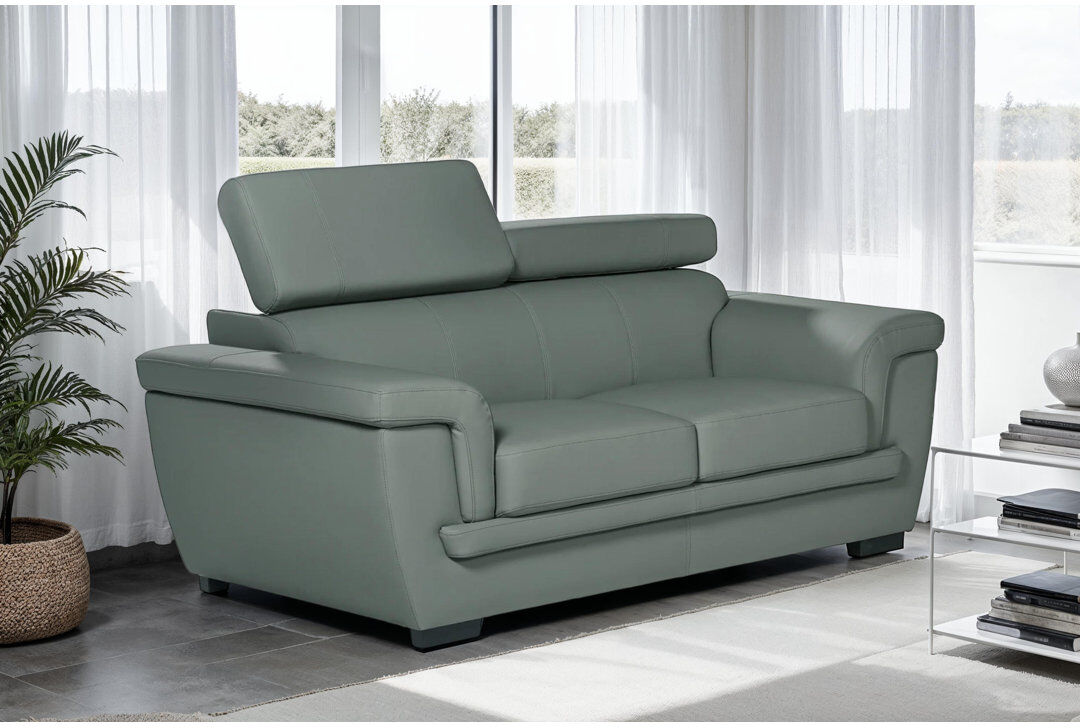
17 Stories Syniya Genuine Leather Sofa Gray Genuine Leather 2Experience luxury and innovation with this modern sofa, featuring adjustable headrests for optimal comfort and a sloped backrest that invites relaxation. Crafted from sumptuous genuine leather, it offers a seamless blend of functionality and elegant design. Perfect for contemporary homes, it enhances any living space with its plush comfort and sleek silhouette. Photographed under bright studio lights, the item and its colour may appear slightly different in various environments due to lighting and screen settings. Please note that the actual dimensions of the sofa may vary slightly from those listed on the site. 17 Stories Fabric: Gray Genuine Leather, Seating Capacity: 2649,99 £*Shipping: 19,99 £Secure redirect to the provider
-
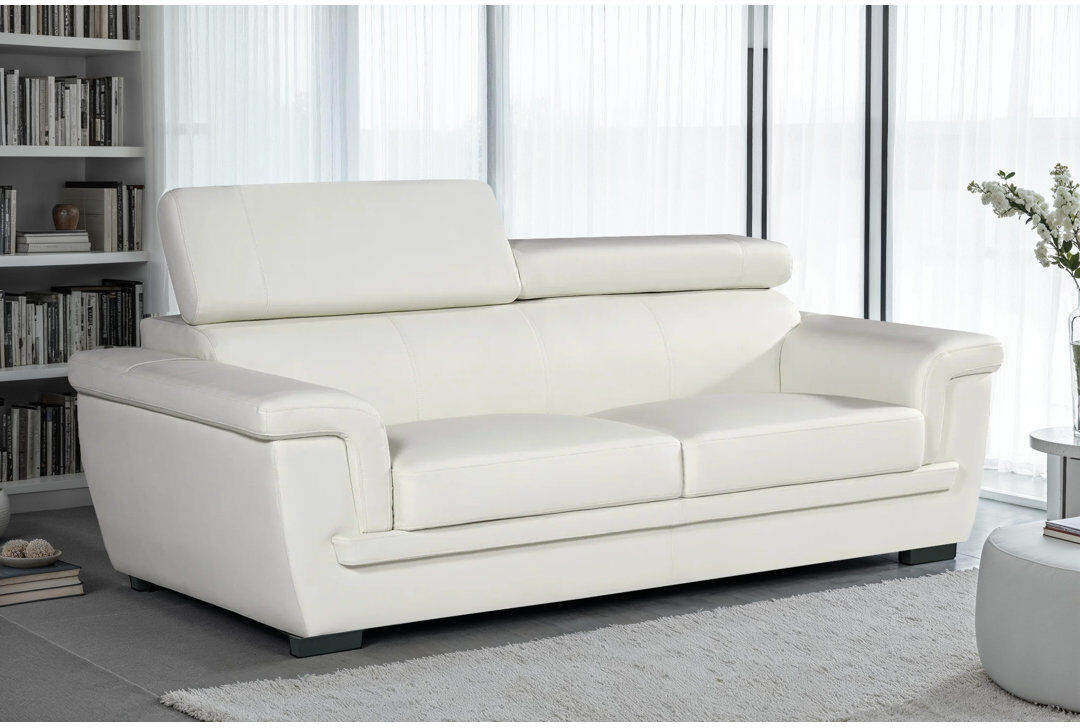
17 Stories Syniya Genuine Leather Sofa White Genuine Leather 3Experience luxury and innovation with this modern sofa, featuring adjustable headrests for optimal comfort and a sloped backrest that invites relaxation. Crafted from sumptuous genuine leather, it offers a seamless blend of functionality and elegant design. Perfect for contemporary homes, it enhances any living space with its plush comfort and sleek silhouette. Photographed under bright studio lights, the item and its colour may appear slightly different in various environments due to lighting and screen settings. Please note that the actual dimensions of the sofa may vary slightly from those listed on the site. 17 Stories Seating Capacity: 3, Fabric: White Genuine Leather759,99 £*Shipping: 19,99 £Secure redirect to the provider
-
How can the endosymbiont theory be proven?
The endosymbiont theory can be proven through a combination of evidence from molecular biology, genetics, and comparative genomics. One way to prove the theory is by comparing the genetic material of organelles like mitochondria and chloroplasts to that of free-living bacteria. If the genetic sequences are similar, it would support the idea that these organelles were once independent bacteria that were engulfed by a host cell. Additionally, studying the structure and function of these organelles can provide further evidence for their bacterial origins. Finally, experimental studies, such as observing the behavior of organelles in different environments, can also help to support the endosymbiont theory. **
-
Why is the endosymbiont theory spoken of?
The endosymbiont theory is spoken of because it provides a compelling explanation for the origin of eukaryotic cells. This theory suggests that eukaryotic cells evolved from a symbiotic relationship between different types of prokaryotic cells, with one cell engulfing another and forming a mutually beneficial partnership. This theory is important because it helps to explain the presence of organelles such as mitochondria and chloroplasts within eukaryotic cells, as well as the similarities between these organelles and certain types of bacteria. Overall, the endosymbiont theory has had a significant impact on our understanding of the evolution of complex life forms. **
-
What does the endosymbiont theory state in biology?
The endosymbiont theory in biology states that eukaryotic cells, which make up plants, animals, fungi, and protists, evolved from a symbiotic relationship between different types of prokaryotic cells. Specifically, it proposes that mitochondria and chloroplasts, which are organelles found in eukaryotic cells, were once free-living bacteria that were engulfed by a larger host cell. Over time, these bacteria formed a mutually beneficial relationship with the host cell, eventually becoming permanent residents and evolving into the organelles we see today. This theory is supported by evidence such as the similarities between the DNA of mitochondria and chloroplasts and that of free-living bacteria, as well as their ability to replicate independently within the cell. **
-
How can the endosymbiont theory be explained simply?
The endosymbiont theory proposes that eukaryotic cells evolved from a symbiotic relationship between different types of prokaryotic cells. According to this theory, a larger host cell engulfed a smaller prokaryotic cell, forming a symbiotic relationship where the smaller cell provided energy through processes like photosynthesis or respiration. Over time, the smaller cell evolved into organelles like mitochondria and chloroplasts, which are now essential components of eukaryotic cells. This theory is supported by evidence such as the similarities between organelles and prokaryotic cells, as well as the presence of DNA within organelles. **
* All prices are inclusive of VAT and, if applicable, plus shipping costs. The offer information is based on the details provided by the respective shop and is updated through automated processes. Real-time updates do not occur, so deviations can occur in individual cases. ** Note: Parts of this content were created by AI.